

As a supplier of Disposable Plastic Egg Trays, I often encounter inquiries from customers regarding the durability of these products, particularly their resistance to cracking. In this blog post, I aim to delve into the factors that influence the cracking resistance of disposable plastic egg trays, drawing on scientific knowledge and practical experience in the industry.
Understanding the Material
Disposable plastic egg trays are typically made from various types of plastics, with polystyrene and polypropylene being the most common choices. Polystyrene is a lightweight and rigid plastic that offers good insulation properties, making it suitable for protecting eggs from temperature fluctuations. Polypropylene, on the other hand, is more flexible and has a higher impact resistance, which can contribute to better cracking resistance.
The molecular structure of these plastics plays a crucial role in determining their mechanical properties. Polystyrene has a relatively linear and rigid molecular structure, which gives it its characteristic stiffness. However, this also makes it more brittle and prone to cracking under stress. Polypropylene, with its more branched and flexible molecular structure, can absorb more energy before breaking, making it more resistant to cracking.
Design and Manufacturing Factors
The design of a disposable plastic egg tray can significantly affect its cracking resistance. A well-designed tray should have a uniform wall thickness and a shape that distributes stress evenly across the surface. For example, trays with rounded corners and smooth edges are less likely to develop stress concentrations, which can lead to cracking.
Manufacturing processes also play a vital role in ensuring the quality and durability of the egg trays. Injection molding is the most common method used to produce disposable plastic egg trays. During this process, molten plastic is injected into a mold cavity under high pressure. The quality of the mold, the injection parameters, and the cooling process can all impact the final properties of the tray.
If the mold is not properly designed or maintained, it can result in uneven wall thickness or surface defects, which can weaken the tray and make it more susceptible to cracking. Similarly, incorrect injection parameters, such as too high or too low pressure, can cause internal stresses in the plastic, leading to cracking over time.
Environmental Factors
The environment in which the disposable plastic egg trays are used and stored can also affect their cracking resistance. Temperature and humidity are two key environmental factors that can have a significant impact on the mechanical properties of plastics.
Plastics tend to become more brittle at low temperatures, which can increase the risk of cracking. On the other hand, high temperatures can cause the plastic to soften and lose its structural integrity. Humidity can also affect the performance of plastics, as some plastics are hygroscopic, meaning they can absorb moisture from the air. This can cause the plastic to swell and change its mechanical properties, potentially leading to cracking.
Exposure to sunlight and other sources of ultraviolet (UV) radiation can also degrade the plastic over time, reducing its cracking resistance. UV radiation can break down the chemical bonds in the plastic, causing it to become brittle and more prone to cracking.
Testing and Quality Control
To ensure the cracking resistance of our disposable plastic egg trays, we conduct a series of tests during the manufacturing process. These tests include impact testing, flexural testing, and environmental testing.
Impact testing involves dropping a weighted object onto the tray from a specified height to simulate the impact it might experience during handling and transportation. Flexural testing measures the ability of the tray to bend without breaking under a load. Environmental testing exposes the trays to different temperature and humidity conditions to evaluate their performance under real-world conditions.
In addition to these tests, we also implement strict quality control measures throughout the manufacturing process. This includes inspecting the raw materials, monitoring the production process, and conducting final inspections of the finished products. By adhering to these quality control measures, we can ensure that our disposable plastic egg trays meet the highest standards of quality and durability.

Real-World Performance
In real-world applications, the cracking resistance of disposable plastic egg trays can vary depending on a variety of factors, including the handling and transportation conditions, the type of eggs being stored, and the frequency of use.
However, based on our experience as a supplier, our disposable plastic egg trays have proven to be highly resistant to cracking under normal conditions. Our customers have reported minimal issues with cracking, even when the trays are subjected to rough handling during transportation.
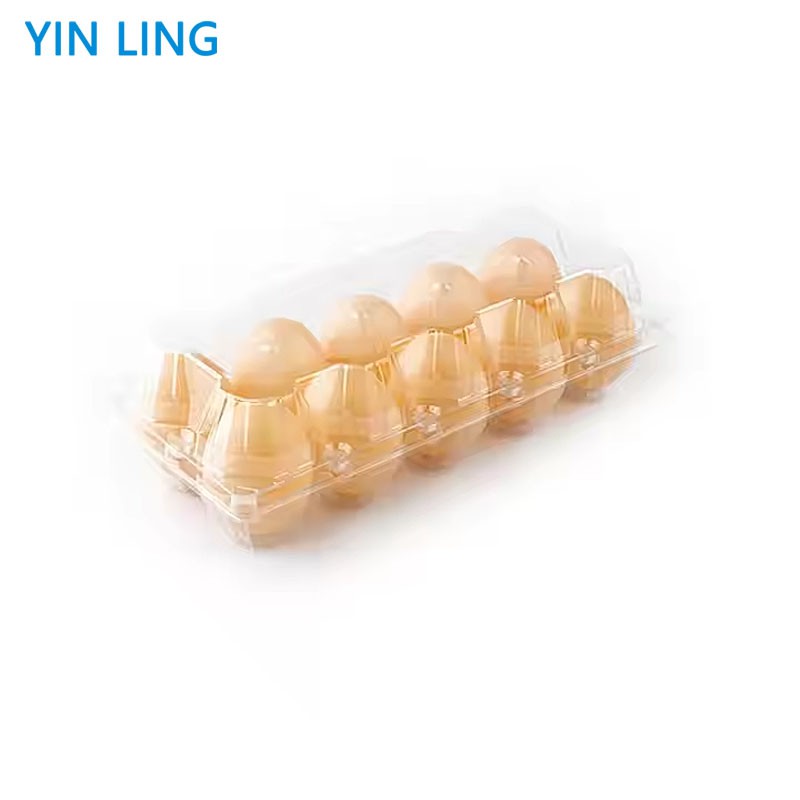
We also offer a range of different types of disposable plastic egg trays to meet the specific needs of our customers. For example, we have Clear Plastic Egg Cartons, which provide a clear view of the eggs and are ideal for retail display. We also offer Disposable Plastic Egg Tray in various sizes and capacities to accommodate different types of eggs.
Conclusion
In conclusion, disposable plastic egg trays can be highly resistant to cracking when they are made from high-quality materials, designed and manufactured properly, and used and stored under appropriate conditions. By understanding the factors that influence cracking resistance and implementing strict quality control measures, we can ensure that our products meet the highest standards of durability and performance.
If you are in the market for disposable plastic egg trays or other types of Reusable Plastic Egg Cartons Wholesale, we invite you to contact us to discuss your specific requirements. Our team of experts is always ready to provide you with the best solutions and support to meet your needs.
References
- "Plastics: Materials and Processing" by Donald R. Paul and Charles A. Han
- "Handbook of Polymer Science and Technology" by Herman F. Mark, John E. Kresta, and Robert A. Grossman
- "Environmental Degradation of Polymers" by Andrew Peacock


