

Are there any food plastic containers that are anti - microbial?
As a supplier of food plastic containers, I often encounter inquiries from customers about the availability of anti - microbial food plastic containers. In today's world, where food safety is of utmost importance, the demand for containers that can help prevent the growth of harmful microorganisms is on the rise. In this blog, I will explore the concept of anti - microbial food plastic containers, their benefits, and the options available in the market.
Understanding Anti - microbial Technology
Anti - microbial technology involves the incorporation of substances into materials that can inhibit the growth of microorganisms such as bacteria, fungi, and viruses. These substances work by either killing the microorganisms or preventing their reproduction. In the context of food plastic containers, anti - microbial agents can be added during the manufacturing process to create a surface that is less hospitable to microbial growth.
There are several types of anti - microbial agents that can be used in plastic containers. One common type is silver - based compounds. Silver has long been known for its antibacterial properties. When silver ions are released from the plastic surface, they can disrupt the cell membranes of microorganisms, preventing them from functioning properly and ultimately leading to their death. Another type of anti - microbial agent is zinc oxide. Zinc oxide has both antibacterial and antifungal properties and can also help to reduce the odor associated with microbial growth.
Benefits of Anti - microbial Food Plastic Containers
The use of anti - microbial food plastic containers offers several significant benefits. Firstly, they enhance food safety. By reducing the growth of harmful bacteria, fungi, and viruses, these containers can help to prevent foodborne illnesses. This is especially important for perishable foods such as salads, meats, and dairy products, which are more prone to microbial contamination.
Secondly, anti - microbial containers can extend the shelf life of food. Microbial growth is one of the main factors that contribute to food spoilage. By inhibiting this growth, the containers can keep food fresh for a longer period of time. This not only reduces food waste but also provides economic benefits for both consumers and food producers.
Thirdly, these containers can improve the overall quality of the food. They can prevent the development of unpleasant odors and flavors that are often associated with microbial growth. This means that the food will taste and smell better when it is consumed.
Options in the Market
At our company, we offer a range of food plastic containers that incorporate anti - microbial technology. For example, our Disposable Salad Plastic Container is designed to keep salads fresh and safe. The anti - microbial properties of the container help to prevent the growth of bacteria that can cause the salad to wilt and spoil quickly. It is made from high - quality plastic that is not only durable but also safe for food contact.
Our Loaf Cake Disposable Containers are another great option. These containers are ideal for storing and transporting loaf cakes. The anti - microbial feature helps to protect the cakes from mold and other fungi, ensuring that they remain delicious and presentable for a longer time.
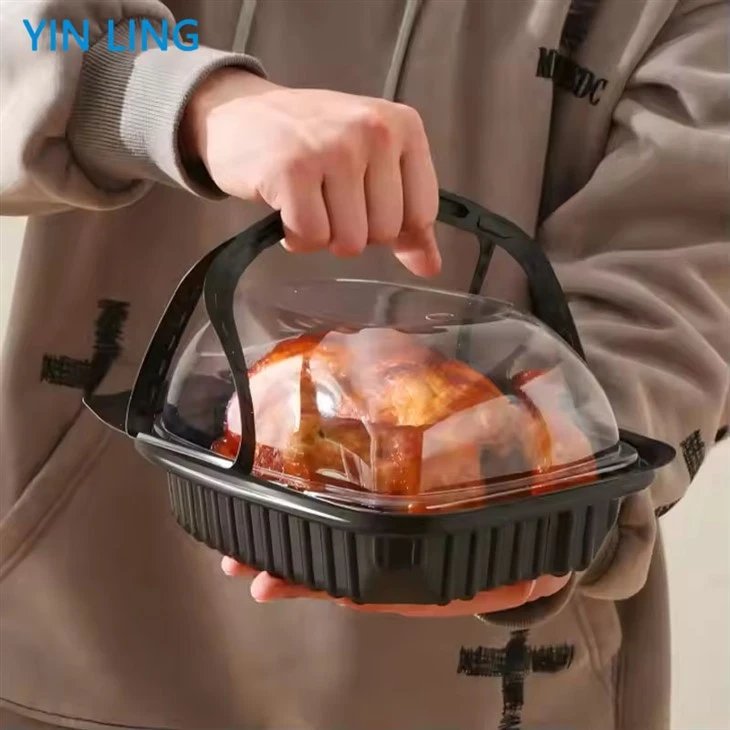
We also have Plastic Box For Roasted Chicken. Roasted chicken is a popular food item, but it is also susceptible to microbial contamination. Our anti - microbial plastic box provides a safe and hygienic way to store and serve roasted chicken, reducing the risk of foodborne illnesses.
Considerations When Choosing Anti - microbial Food Plastic Containers
When choosing anti - microbial food plastic containers, there are several factors to consider. Firstly, it is important to ensure that the anti - microbial agent used is safe for food contact. Regulatory authorities such as the Food and Drug Administration (FDA) in the United States have strict guidelines regarding the use of substances in food packaging. Make sure that the containers you choose comply with these regulations.
Secondly, consider the durability of the containers. They should be able to withstand normal handling and storage conditions without losing their anti - microbial properties. Additionally, the containers should be easy to clean and reuse if applicable.

Thirdly, look at the design of the containers. They should be suitable for the type of food you are storing. For example, containers for liquids may need to have a tight - fitting lid to prevent spills, while containers for solid foods may need to have compartments to keep different items separate.
Conclusion
In conclusion, there are indeed food plastic containers that are anti - microbial. These containers offer numerous benefits in terms of food safety, shelf life extension, and food quality improvement. As a food plastic container supplier, we are committed to providing our customers with high - quality anti - microbial containers that meet their needs.
If you are interested in purchasing our anti - microbial food plastic containers or have any questions about our products, we encourage you to contact us for a procurement discussion. We look forward to serving you and helping you find the best solutions for your food packaging needs.
References
- "Antimicrobial Packaging for Food Applications" by Han, J. H. (2005).
- "Silver Nanoparticles: Synthesis, Characterization, Properties, Applications, and Therapeutic Approaches" by Rizzello, L., Pompa, P. P., and Stellacci, F. (2014).
- "Zinc Oxide Nanoparticles: Synthesis, Antimicrobial Activity, and Food Packaging Applications" by Emamifar, A., Shokri, P., and Dadashi, M. (2012).


