

When it comes to storing eggs, the choice of container plays a crucial role in maintaining their freshness and safety. As a reputable supplier of egg plastic containers, I often encounter the question: Can egg plastic containers be used for storing eggs in a pantry? In this blog post, I'll delve into the details and provide you with all the information you need to make an informed decision.
The Benefits of Using Egg Plastic Containers
First and foremost, let's explore the advantages of using egg plastic containers for egg storage. These containers are designed with several features that make them an excellent choice for keeping eggs in a pantry.
Protection
Egg plastic containers provide a protective barrier around the eggs. They are typically made of durable plastic materials that can withstand minor impacts and prevent the eggs from cracking. This is especially important when storing eggs in a pantry, where they may be jostled or bumped during normal household activities.
Hygiene
Plastic containers are easy to clean and sanitize. They can be washed with warm, soapy water and dried thoroughly, which helps to prevent the growth of bacteria and other contaminants. This is essential for maintaining the freshness and safety of the eggs.
Visibility
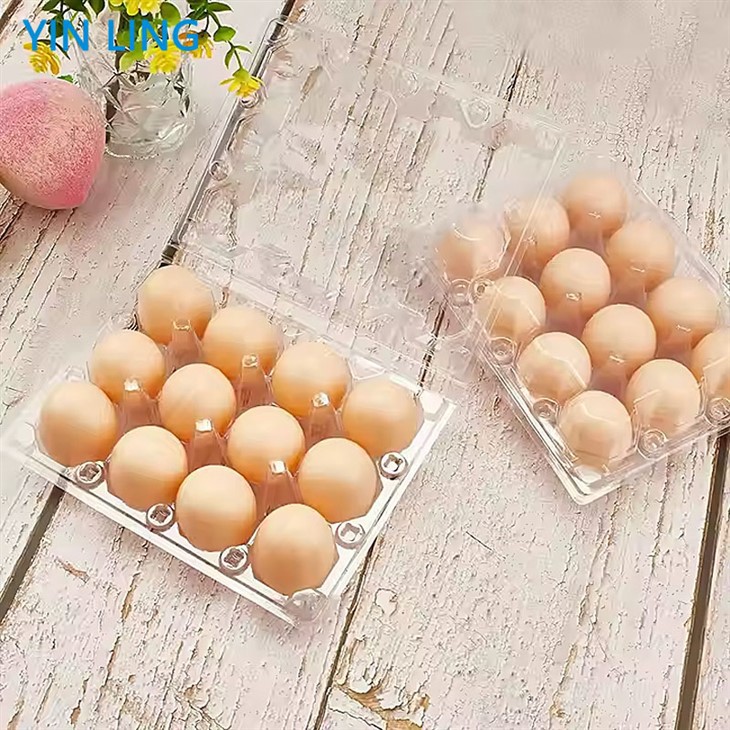
Many egg plastic containers are transparent, allowing you to easily see the eggs inside. This makes it convenient to check the quantity and quality of the eggs without having to open the container. You can quickly identify any cracked or spoiled eggs and remove them from the pantry.
Stackability
Egg plastic containers are designed to be stackable, which means you can save space in your pantry. You can stack multiple containers on top of each other, making efficient use of the available storage area. This is particularly useful if you have a large number of eggs to store.
Storing Eggs in a Pantry
Now that we've discussed the benefits of using egg plastic containers, let's consider the suitability of storing eggs in a pantry. The pantry is a common storage area in many households, but it's important to understand the conditions required for proper egg storage.
Temperature
Eggs are best stored at a consistent temperature between 33°F and 40°F (0.5°C and 4.4°C). The pantry is typically not as cold as a refrigerator, so the temperature in the pantry may fluctuate depending on the surrounding environment. If the temperature in your pantry rises above 40°F (4.4°C), the eggs may spoil more quickly. Therefore, it's important to monitor the temperature in your pantry and ensure that it remains within the recommended range.
Humidity
Eggs are porous, which means they can absorb moisture from the air. High humidity levels in the pantry can cause the eggs to develop a slimy film or mold, which can affect their quality and safety. It's important to keep the humidity level in your pantry below 70% to prevent these issues. You can use a dehumidifier or place a moisture-absorbing product, such as a silica gel packet, in the pantry to help control the humidity.
Ventilation
Proper ventilation is essential for maintaining the freshness of the eggs. Storing eggs in a well-ventilated pantry helps to prevent the buildup of moisture and odors. Make sure there is adequate air circulation in the pantry by keeping the doors and windows open or using a fan to circulate the air.
Using Egg Plastic Containers in a Pantry
If you decide to store eggs in a pantry using egg plastic containers, there are a few things you can do to ensure the best results.
Choose the Right Container
When selecting an egg plastic container, choose one that is specifically designed for egg storage. Look for containers that are made of high-quality plastic materials and have a tight-fitting lid to prevent air and moisture from entering. Transparent Plastic Egg Cartons are a popular choice as they allow you to easily see the eggs inside.

Prepare the Eggs
Before placing the eggs in the plastic container, make sure they are clean and dry. Wipe the eggs with a clean, dry cloth to remove any dirt or debris. Do not wash the eggs before storing them, as this can remove the natural protective coating on the eggs and make them more susceptible to spoilage.
Store the Eggs Properly
Place the eggs in the plastic container with the pointed end down. This helps to keep the air cell at the top of the egg, which helps to maintain the freshness of the egg. Stack the containers in the pantry in a way that allows for proper air circulation. Avoid overcrowding the containers, as this can prevent air from flowing around the eggs and cause them to spoil more quickly.
Monitor the Eggs
Regularly check the eggs in the pantry to ensure they are still fresh. Look for any signs of spoilage, such as a foul odor, a slimy texture, or a cracked shell. If you notice any of these signs, remove the spoiled eggs from the pantry immediately to prevent the spread of bacteria.
Conclusion
In conclusion, egg plastic containers can be used for storing eggs in a pantry, but it's important to take certain precautions to ensure the freshness and safety of the eggs. The pantry can be a suitable storage area for eggs if the temperature and humidity levels are controlled, and the eggs are stored in a well-ventilated environment. By choosing the right egg plastic container and following the proper storage guidelines, you can keep your eggs fresh and delicious for longer.
If you're interested in purchasing high-quality egg plastic containers for your pantry or other storage needs, please don't hesitate to contact us. We offer a wide range of Plastic Egg Cartons and Disposable Plastic Egg Tray options to meet your specific requirements. Our team of experts is ready to assist you with your purchase and answer any questions you may have.
References
- USDA Food Safety and Inspection Service. (2023). Eggs: Safe Storage and Handling. Retrieved from [USDA Website]
- University of California Agriculture and Natural Resources. (2023). Storing Eggs. Retrieved from [UC ANR Website]


