

Disposable plastic egg trays are a common sight in the egg packaging industry, offering a convenient and cost - effective solution for transporting and storing eggs. As a supplier of Disposable Plastic Egg Trays, I've had the opportunity to observe how these trays interact with different egg sizes. This blog post will delve into the science and practical aspects of this interaction.
Standard Egg Sizes and Tray Design
In most countries, eggs are classified into different sizes based on their weight. For instance, in the United States, the common egg sizes are peewee, small, medium, large, extra - large, and jumbo. Each size has a specific weight range. Peewee eggs typically weigh around 15 ounces per dozen, while jumbo eggs can weigh up to 30 ounces per dozen.
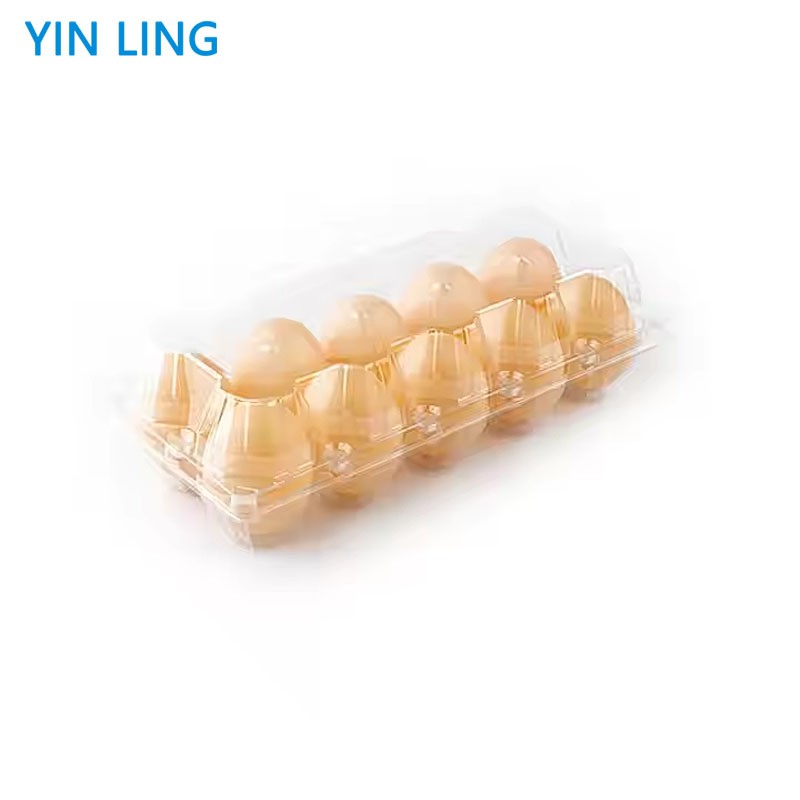
Disposable plastic egg trays are designed to accommodate a certain range of egg sizes. The typical design features individual cups where each egg is placed. These cups are shaped in a way that provides a snug fit for the eggs, protecting them from damage during handling and transportation.
The standard disposable plastic egg tray is usually designed with cups that can comfortably hold large - sized eggs. Large eggs are the most commonly consumed size, and the tray's design takes this into account. The cups have a specific depth and diameter that is optimized for the shape and size of a large egg. The depth of the cup is sufficient to hold the egg securely, preventing it from rolling around, while the diameter allows the egg to sit snugly without being overly compressed.
Interaction with Smaller Eggs
When smaller eggs, such as peewee or small eggs, are placed in a standard disposable plastic egg tray, the interaction is quite different. Since the cups are designed for larger eggs, smaller eggs will not fill the cups completely. This can lead to some instability. The eggs may move around more easily within the cups, increasing the risk of damage during transportation.
However, this doesn't mean that small eggs cannot be safely transported in these trays. The plastic material of the tray still provides some cushioning, and the eggs are somewhat protected from direct impact. To mitigate the movement of small eggs, some suppliers may recommend using additional padding, such as small pieces of foam or soft paper, to fill the extra space in the cups. This helps to keep the eggs in place and reduces the chances of breakage.
Interaction with Larger Eggs
On the other hand, when extra - large or jumbo eggs are placed in a standard disposable plastic egg tray, the situation is also challenging. These larger eggs may not fit comfortably into the cups designed for large eggs. The eggs may be too wide or too long, causing them to protrude from the cups or be squeezed tightly.
When an egg is squeezed too tightly, it can increase the stress on the eggshell. This stress can potentially lead to cracks or breakages, especially if the eggs are subjected to any kind of impact during transportation. In some cases, the plastic tray may even deform slightly to accommodate the larger eggs, which can further compromise the integrity of the packaging.
To address the issue of larger eggs, some suppliers offer disposable plastic egg trays with larger - sized cups. These specialized trays are designed to provide a proper fit for extra - large and jumbo eggs. They ensure that the eggs are held securely without being overly compressed, reducing the risk of damage.
Customization for Different Egg Sizes
As a supplier of Disposable Plastic Egg Trays, we understand the importance of providing solutions for different egg sizes. That's why we offer customization options for our trays. We can adjust the size and shape of the cups in the trays to meet the specific needs of our customers.
If a customer primarily deals with small eggs, we can design trays with smaller cups. These trays will provide a more secure fit for small eggs, reducing the movement and the risk of breakage. Similarly, for customers who have a high volume of extra - large or jumbo eggs, we can create trays with larger cups.
Customization also extends to the overall design of the tray. We can modify the thickness of the plastic, the shape of the tray's edges, and the number of cups per tray based on the customer's requirements. This flexibility allows us to provide the most suitable packaging solution for different egg sizes and business needs.
Advantages of Disposable Plastic Egg Trays
Disposable plastic egg trays offer several advantages when it comes to interacting with different egg sizes. Firstly, plastic is a lightweight material, which reduces the overall weight of the packaging. This is beneficial for transportation, as it can lower shipping costs.
Secondly, plastic is a durable material. It can withstand a certain amount of impact and pressure without breaking, providing good protection for the eggs. Even if the egg size is not a perfect fit for the tray, the plastic still helps to absorb some of the shock during handling and transportation.
Another advantage is that disposable plastic egg trays are hygienic. They can be easily cleaned and sanitized before use, reducing the risk of contamination. This is especially important for the food industry, where maintaining high levels of hygiene is crucial.
Other Types of Egg Packaging
In addition to disposable plastic egg trays, there are other types of egg packaging available in the market. One option is Reusable Plastic Egg Cartons Wholesale. These cartons are designed to be used multiple times, which can be more environmentally friendly in the long run. They also come in different sizes and designs to accommodate various egg sizes.
Clear Plastic Egg Cartons are another alternative. They offer the advantage of allowing consumers to see the eggs inside without opening the carton. This can be useful for checking the quality and appearance of the eggs.

However, each type of packaging has its own pros and cons. Reusable cartons require proper cleaning and storage between uses, which may add to the operational costs. Clear plastic cartons may be more expensive to produce and may not provide as much protection as disposable plastic egg trays in some cases.
Conclusion
In conclusion, the interaction between disposable plastic egg trays and different egg sizes is a complex but important aspect of the egg packaging industry. Standard trays are designed to accommodate large eggs, but they can also be used for smaller or larger eggs with some adjustments. Customization options are available to ensure a proper fit for different egg sizes, reducing the risk of breakage and improving the overall quality of the packaging.
As a supplier of Disposable Plastic Egg Tray, we are committed to providing high - quality, customized solutions for our customers. Whether you deal with small, large, or extra - large eggs, we can work with you to find the best packaging option.
If you are interested in learning more about our disposable plastic egg trays or would like to discuss your specific egg packaging needs, please feel free to contact us. We look forward to the opportunity to work with you and provide you with the best egg packaging solutions.
References
- American Egg Board. (n.d.). Egg Sizes. Retrieved from [American Egg Board official website]
- Plastic Packaging Institute. (2019). The Benefits of Plastic Packaging in the Food Industry. Journal of Packaging Science, 15(2), 45 - 52.
- Smith, J. (2020). Egg Packaging: A Review of Different Materials and Designs. Food Packaging Journal, 22(3), 78 - 85.


