

Hey there! As a supplier of Disposable Plastic Egg Trays, I've learned a thing or two about ensuring these trays stay in tip - top shape during storage. Let's dive right into how to properly store these trays to maintain their quality.
First off, let's talk about the environment. The storage area's temperature and humidity play a huge role. Disposable plastic egg trays are made of plastic, and extreme temperatures can mess with their structure. High heat can cause the plastic to warp or become soft. You wouldn't want your trays arriving at the customer's place all bent out of shape, right? On the other hand, really cold temperatures can make the plastic brittle, increasing the risk of cracks.
So, what's the ideal temperature? Well, a range between 10°C and 30°C (50°F - 86°F) is pretty good. This kind of moderate temperature keeps the plastic stable. Humidity is also important. You don't want a super - humid environment because moisture can lead to mold growth on the trays. Aim for a relative humidity of around 40% - 60%. If your storage area is too humid, you might want to invest in a dehumidifier.
Now, let's consider the storage location. It should be a clean and dry place. Avoid areas where there's a lot of dust or dirt. Dust can get stuck on the trays, and when the eggs are placed in them, it can transfer to the eggs, which is a big no - no. Also, keep the storage area away from any sources of chemicals or strong odors. Plastic is porous to some extent, and it can absorb these odors. You don't want your egg trays smelling like cleaning agents or paint, as that smell could transfer to the eggs.
When it comes to stacking the trays, be careful. Don't stack them too high. Over - stacking can put too much pressure on the bottom trays, causing them to deform. You can use pallets to stack the trays in an organized way. Make sure the pallets are clean and in good condition. If a pallet is damaged, it can cause uneven pressure on the trays and lead to breakage.
Another important aspect is protection from sunlight. UV rays from the sun can degrade the plastic over time. So, store the trays in a shaded area or in a building where they're not directly exposed to sunlight. If you have to store them outside for some reason, cover them with a UV - resistant tarp.
Let's talk about packaging. The way you package the disposable plastic egg trays before storage matters. Use high - quality plastic shrink - wrap or cardboard boxes. The packaging should be tight enough to keep the trays in place but not so tight that it deforms them. Cardboard boxes are great because they offer some protection from physical damage and can be labeled easily. You can label the boxes with details like the quantity of trays, the date of production, and any other relevant information. This makes it easier to manage your inventory.
Now, I want to mention some related products. If you're interested in other types of egg containers, we also offer Reusable Plastic Egg Cartons Wholesale. These are a great option for those looking for a more sustainable choice. And of course, our Disposable Plastic Egg Tray is a popular choice for many customers. You can also check out our Plastic Egg Cartons for more options.
Proper inventory management is also crucial for maintaining the quality of the trays during storage. Keep track of the first - in, first - out (FIFO) principle. This means using the oldest stock first. That way, the trays don't sit in storage for too long, reducing the risk of quality degradation. Regularly inspect your inventory. Check for any signs of damage, deformation, or mold growth. If you find any damaged trays, remove them from the inventory immediately to prevent them from affecting the other trays.
In addition to the above, consider the ventilation in the storage area. Good ventilation helps to keep the air fresh and reduces the risk of mold and mildew. You can install fans or open windows (if the outside environment is suitable) to ensure proper air circulation.
When handling the trays during storage, use proper equipment. For example, if you're moving the pallets with the trays, use a forklift that's in good working condition. Rough handling can cause the trays to break or crack. Train your staff on the proper way to handle the trays to minimize damage.
If you're storing the trays for a long time, it's a good idea to do periodic checks on the quality. Take a sample of trays from different batches and inspect them for any signs of degradation. This can help you catch any potential issues early and take corrective action.
To sum it up, ensuring the proper storage of disposable plastic egg trays involves controlling the temperature and humidity, choosing the right storage location, careful stacking, protecting from sunlight and dust, proper packaging, following the FIFO principle, and regular inspections. By following these steps, you can maintain the quality of the trays and ensure that your customers are getting the best - quality product.
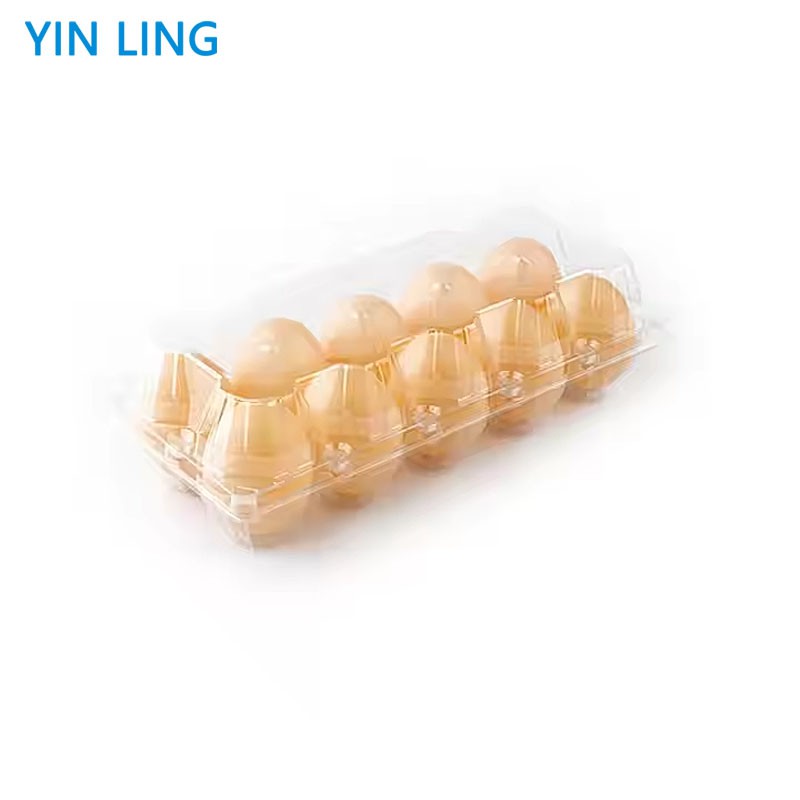

If you're interested in purchasing our Disposable Plastic Egg Tray or any of our other egg container products, we'd love to have a chat with you. Whether you're a small - scale egg producer or a large - scale distributor, we can provide you with the right quantity and quality of egg trays. Reach out to us to start a procurement discussion, and let's work together to meet your egg - packaging needs.
References
- General knowledge on plastic storage and container handling
- Industry best practices for egg packaging storage


