

Hey there! I'm a supplier of food plastic bags, and I've seen firsthand how quickly these bags can go from being flexible and useful to brittle and useless. It's a real pain, especially when you've invested in a good supply. But don't worry; I've got some tips and tricks to help you store your food plastic bags properly and prevent them from getting brittle.
Understanding Why Plastic Bags Get Brittle
Before we dive into the storage solutions, let's talk about why plastic bags become brittle in the first place. Plastic is a polymer, a long - chain molecule. Over time, several factors can cause these chains to break down, making the plastic less flexible and more prone to cracking.
One of the main culprits is exposure to sunlight. UV rays from the sun can break the chemical bonds in plastic, causing it to degrade. Heat is another enemy. High temperatures can speed up the chemical reactions that break down the plastic. Oxidation is also a factor. When plastic is exposed to oxygen in the air, it can react and form new compounds that make the plastic brittle.
Ideal Storage Conditions
Temperature
The ideal temperature for storing food plastic bags is cool and stable. Aim for a temperature between 50°F (10°C) and 70°F (21°C). Avoid storing your bags in areas that get hot, like attics or near heating vents. In my experience, if you store bags in a place where the temperature regularly exceeds 80°F (27°C), they'll start to show signs of brittleness much faster.
Humidity
Humidity can also affect the quality of plastic bags. You want to keep the humidity level between 30% and 50%. Too much humidity can cause the bags to stick together, and in some cases, it can even promote the growth of mold. On the other hand, very low humidity can make the plastic dry out and become brittle. A dehumidifier or a humidifier can be useful tools to maintain the right humidity level in your storage area.
Light
As I mentioned earlier, sunlight is bad news for plastic bags. Store your bags in a dark place, like a closet or a storage room with no windows. If you have to store them in an area with some light, use opaque containers to block out the UV rays.
Storage Containers and Methods
Containers
Using the right storage containers is crucial. I recommend using plastic storage bins with tight - fitting lids. These bins will protect the bags from dust, light, and air. You can also use large cardboard boxes lined with plastic sheeting to keep the humidity out. Just make sure the boxes are clean and dry before you put the bags in.
Stacking and Organizing
When you're storing your food plastic bags, stack them neatly. Don't over - stack them, as this can put too much pressure on the bags at the bottom, causing them to deform or break. You can separate different types of bags with dividers or cardboard sheets. This makes it easier to find the bags you need and reduces the risk of damage.

Specific Tips for Different Types of Food Plastic Bags
Large Roll Of Plastic Wrap
Large rolls of plastic wrap are a bit trickier to store. You can store them on a shelf, but make sure they're not touching anything that could scratch or damage the plastic. If possible, store the rolls in a vertical position. This helps to prevent the plastic from stretching or warping. You can also use a roll holder to keep the roll in place and make it easier to access.
Food Service Plastic Wrap
Food service plastic wrap is often used in restaurants and cafes. These bags are usually thinner and more delicate. Store them in a flat position in a plastic container. You can stack a few layers of bags, but make sure to put a piece of cardboard between each layer to prevent them from sticking together.
OPP Food Grade Vegetable Plastic Bag
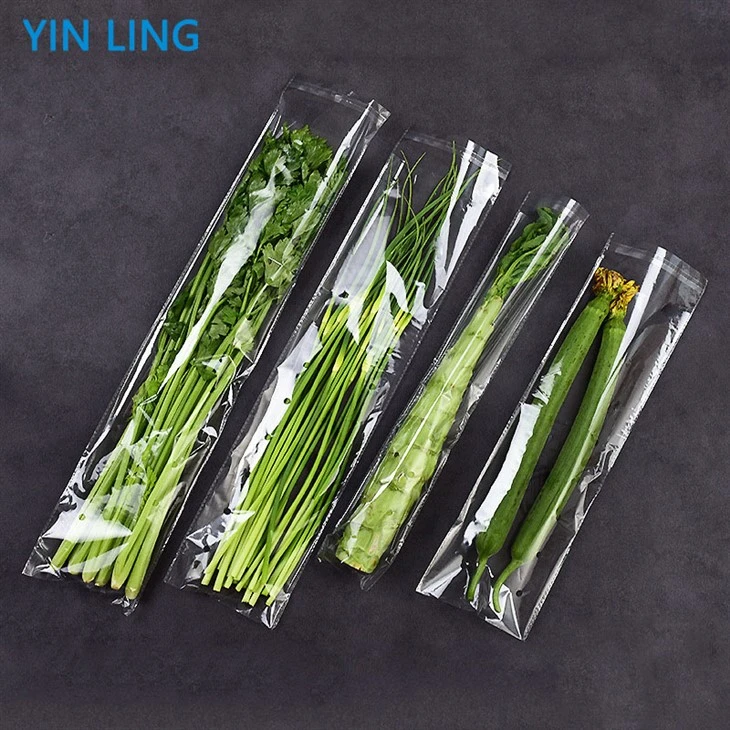
OPP food - grade vegetable plastic bags are designed to be strong and flexible. However, they can still become brittle if not stored properly. Keep these bags in a sealed plastic bag or container to protect them from air and moisture. You can also group them by size or quantity to make it easier to manage your inventory.
Regular Inspections
It's a good idea to inspect your stored food plastic bags regularly. Check for any signs of brittleness, such as cracks or a loss of flexibility. If you notice any damaged bags, remove them from the storage area immediately. This will prevent the damage from spreading to other bags.
Final Thoughts and Call to Action
Storing food plastic bags properly is essential to keep them in good condition and prevent them from getting brittle. By following these tips, you can extend the lifespan of your bags and save money in the long run.
If you're in the market for high - quality food plastic bags, I'm here to help. Whether you need large rolls of plastic wrap, food service plastic wrap, or OPP food - grade vegetable plastic bags, I've got a wide range of products to meet your needs. Reach out to me to discuss your requirements and get a quote. Let's work together to find the perfect solution for your food packaging needs.
References
- "The Science of Plastic Degradation." Journal of Polymer Science.
- "Best Practices for Storing Plastic Products." Plastic Packaging Association.


